Stop Sending Followers in Circles
If your audience has to work too hard to find the right next step, your bio page is doing cardio when it should be doing conversion.

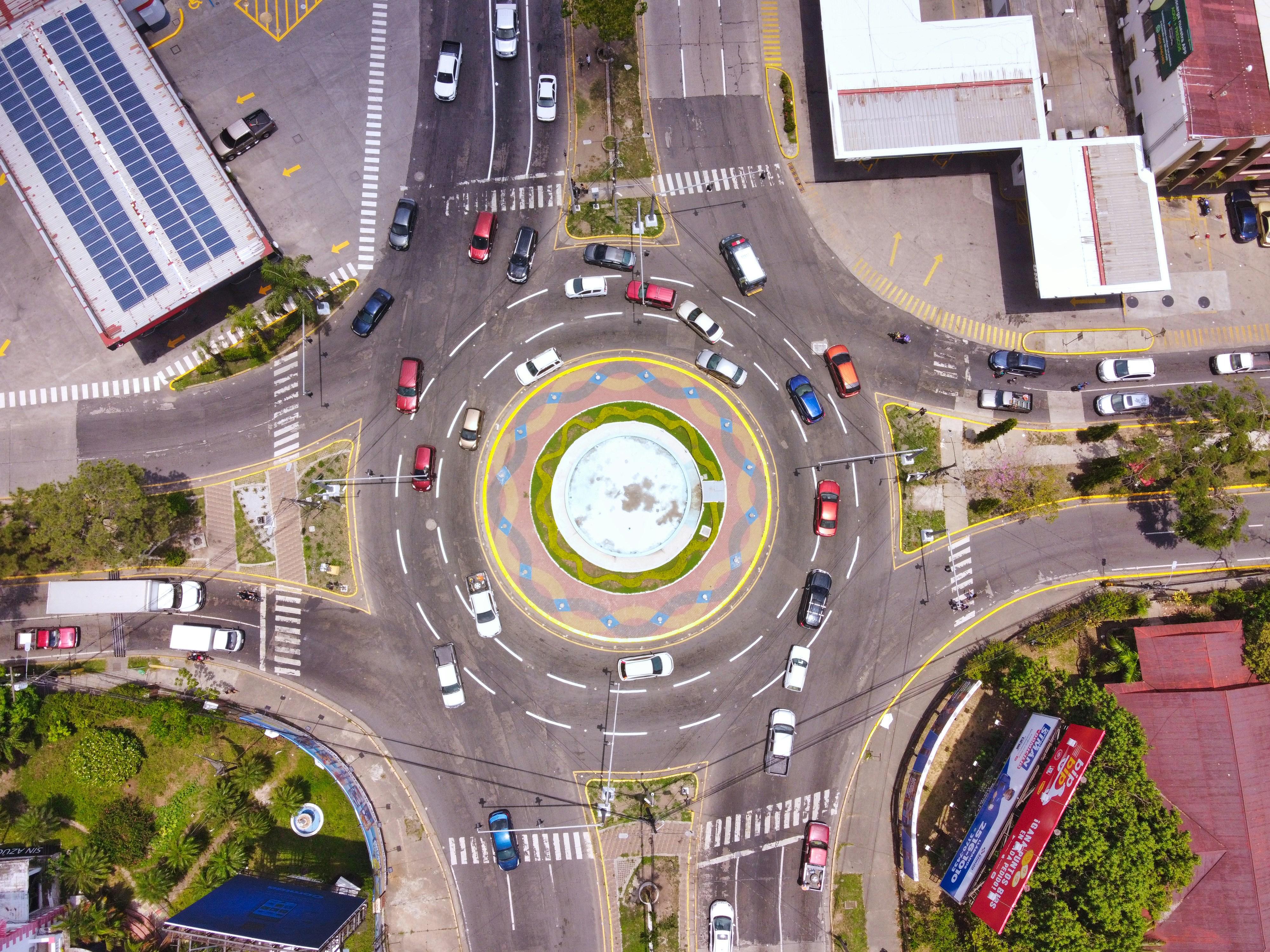
There is a subtle way to lose conversions online that looks completely harmless on the surface.
You post something interesting.
Someone taps your profile.
They click the link in your bio.
And then you send them into a maze.
Maybe the top button leads to a homepage. Maybe the homepage leads to a menu. Maybe the menu leads to a product category. Maybe somewhere in there is the thing they were looking for. Maybe.
By this point, your visitor is no longer a visitor. They are an unpaid intern doing research.
That is not a great customer experience.
The friction nobody means to create
Most people do not create messy journeys on purpose. They do it because they are trying to be helpful.
They want to include the store, the newsletter, the newest video, the older but still relevant freebie, the booking page, the podcast, the community, and maybe a seasonal campaign that was meant to come down last Tuesday.
The result is a page that contains options but lacks direction.
And direction is what makes a bio page useful.
People tap with context
One of the easiest mistakes in bio-page strategy is forgetting that people are not arriving at random. They are arriving from somewhere.
They saw your:
- Instagram post
- TikTok video
- Story mention
- Email signature
- Podcast appearance
- Short-form promotion
That means they land with an expectation already in their head.
If your Reel talks about a guide, they expect the guide.
If your Story promotes a drop, they expect the drop.
If your post invites people to book, they expect the booking link to be painfully easy to find.
Not spiritually easy. Actually easy.
The shortest route usually wins
The strongest bio pages do not merely offer paths. They reduce steps.
That is why high-performing pages often behave more like focused launch pads than mini directories. They prioritize:
- A clear first CTA
- Relevant featured content
- Clean grouping for secondary actions
- Enough context to build trust quickly
Every extra click between interest and action is a chance for attention to leak away.
And attention leaks faster than most of us would like to admit.
Build for the next step, not the full universe
A useful rule of thumb:
Your bio page does not need to explain everything you do. It needs to support what people are most likely to do next.
That means your page can change with your goals.
Launching something new? Make that the hero.
Pushing newsletter growth? Put it first.
Taking client bookings? Stop making that button hide below five less important choices.
The page should adapt to the moment, not freeze your business in amber.
What we like about the Selfbase approach
We believe a link in bio should help create flow.
That sounds simple, but it has real design consequences. When a page is easier to scan, easier to update, and easier to shape around a current goal, it starts doing more than holding links. It starts carrying momentum from one platform to the next.
That is where a bio page becomes genuinely strategic.
Not because it looks busy.
Because it makes action feel obvious.
A quick reset for your current page
If your page feels like it is sending people in circles, try this:
- Pick one primary action for the next two weeks.
- Put it first.
- Remove or regroup anything that competes with it.
- Match your CTA to your current campaign or content.
That alone can make a tired page feel dramatically sharper.
No redesign spiral required.
No brand retreat in the mountains required.
Just a little clarity.
Photo by Héctor Emilio Gonzalez on Unsplash